Core Concepts and Key Insights
-
Jesus as the Good Shepherd:
- Jesus identifies Himself as the one and only “good” shepherd, clarifying that in biblical terms, “good” means under divine influence, not mere moral goodness.
- He knows His followers personally, and they recognize His voice, establishing an intimate spiritual relationship.
-
Divine Power to Lay Down and Take Up Life:
- Jesus emphatically declares, “No man taketh it from me, but I lay it down of myself,” emphasizing His voluntary sacrifice.
- He has authority over His death and resurrection, highlighting His control over the entire salvation plan.
-
Predetermined Divine Plan:
- The crucifixion and resurrection were part of God’s sovereign plan, decided before the foundation of the world in the “determinate counsel” of the Father, Son, and Holy Spirit.
- Jesus’ timing in His death coincides with the Passover lamb sacrifice, underscoring the precision and divine orchestration behind these events.
-
Jesus’ Power to Obey:
- Jesus obeyed the Father’s will perfectly, not acting on His own but fulfilling the divine commandment.
- His obedience was essential to the plan of salvation and demonstrated His submission and love.
-
The Resurrection:
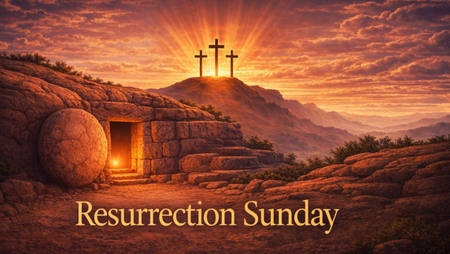
- Jesus rose from the dead by His divine power, becoming the “first fruits” of the resurrection, assuring believers of their future resurrection and eternal life.
- Acts 2:22-24 is cited to affirm that Jesus was raised by God despite being crucified by wicked hands, reinforcing the divine plan and power.
-
The Trinity and Divine Unity:
- The Father, Son, and Holy Spirit worked together in the plan of salvation, highlighting the unity and plurality of God.
- The concept of the Trinity is explained as one God in three persons, emphasizing Jesus’ divinity.
-
Salvation and Freedom:
- Salvation is a spiritual rebirth, not merely physical rescue or church rituals.
- The phrase “truth shall make you free” is nuanced to “truth shall make you free,” meaning transformation into a new creature in Christ, not just liberation from bondage without change.
- The power of divine salvation transforms believers, enabling them to overcome sin and live renewed lives.
-
Jesus’ Sovereignty Over Human and Cosmic Events:
- Though human agents and evil forces participated in Jesus’ death, God was in control throughout, fulfilling prophecy and divine purpose.
- Jesus’ power and authority surpass human rulers, as demonstrated in His interactions with Pilate and His ability to summon angels but choosing to fulfill Scripture.
-
The Assurance of Eternal Security:
- Believers are secure in Christ, seated with Him in heavenly places (Ephesians 1:19-22).
- Nothing can separate believers from God’s hand, supporting the doctrine of eternal security or perseverance of the saints.
-
The Future Resurrection and Judgment:
- There will be a bodily resurrection for both the saved and the lost—the saved to eternal life, the lost to judgment.
- The resurrection of Jesus serves as the guarantee and prototype for all believers’ resurrection.